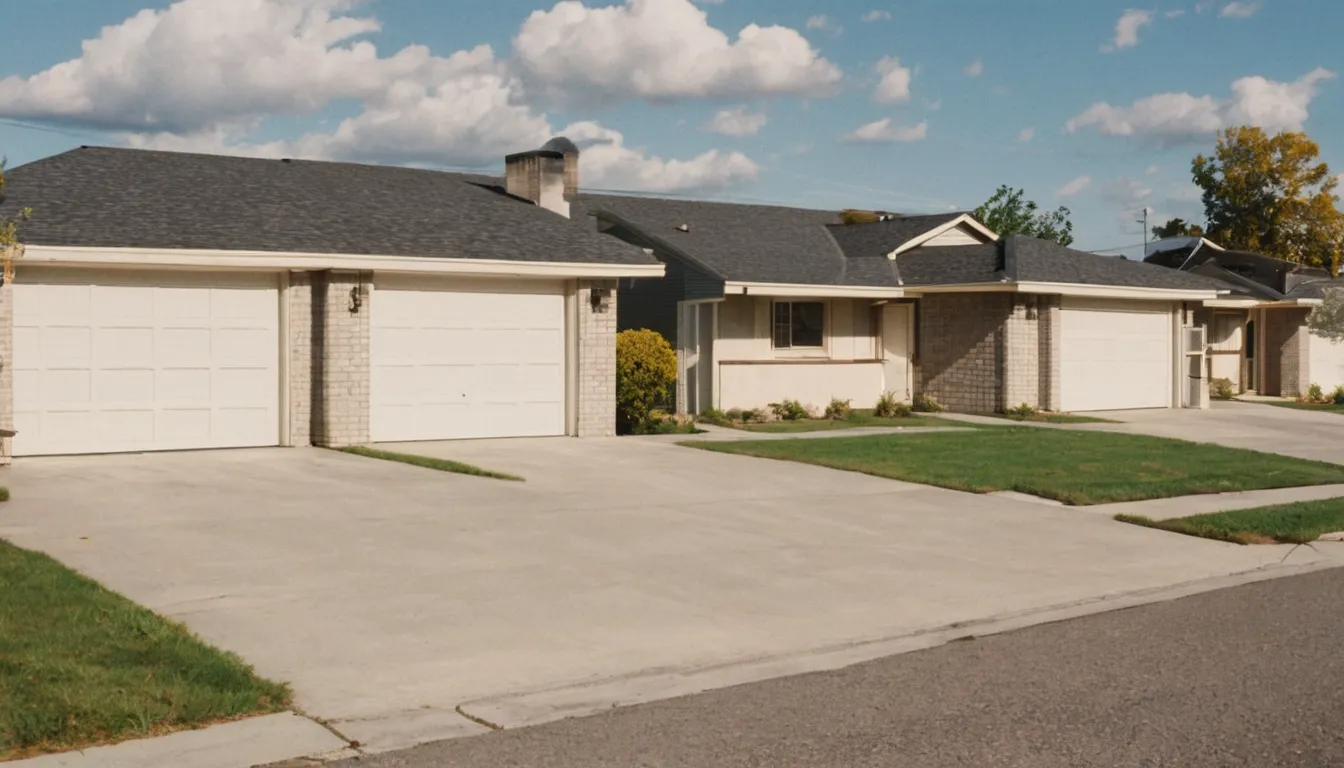
Need garage door spring repair in Fort Lauderdale?
Tell us what your garage door is doing. Send an estimate request and Communistaged Garage Doors will connect you with a local provider in our network.
No obligation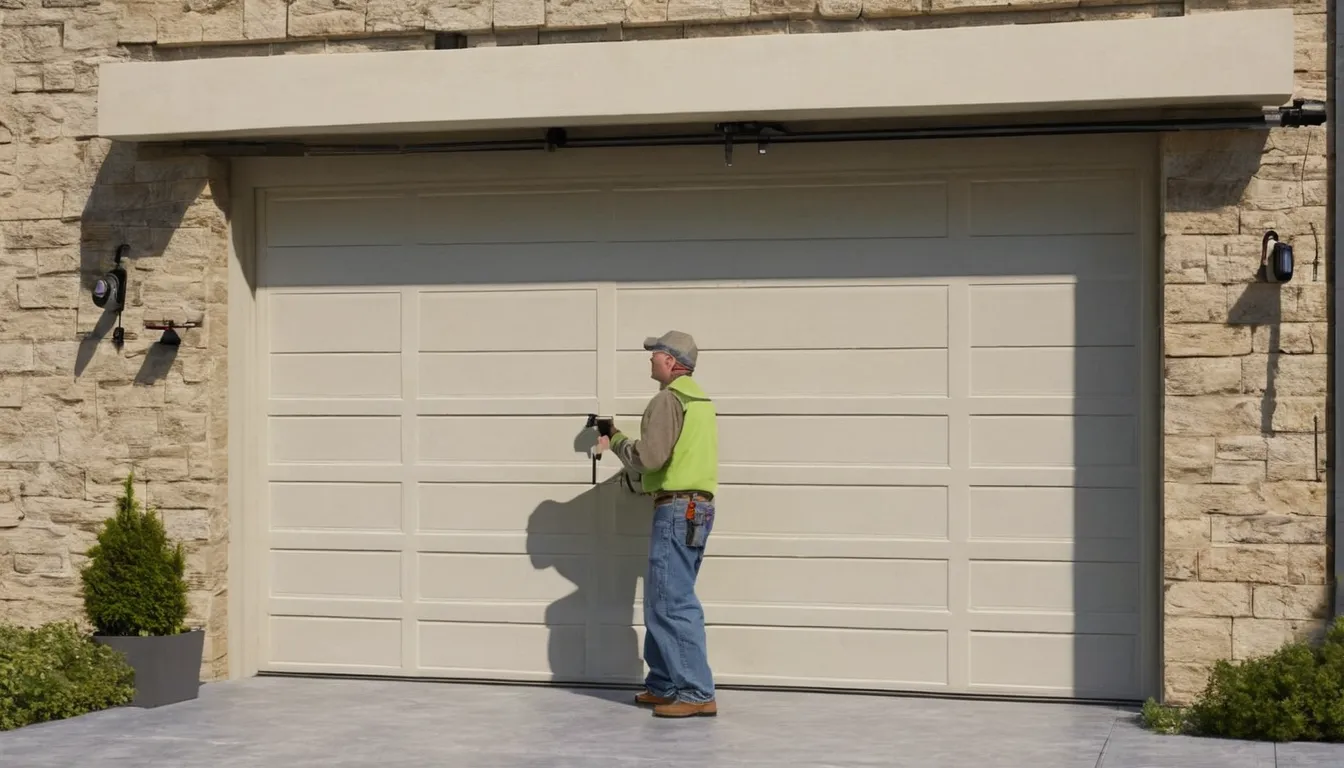
Request an estimate, then decide
A loud bang from the garage often means a spring has let go. The door may feel heavy, stay shut, or drop fast. Do not force it. Springs hold a lot of tension, and a wrong move can hurt you.
Communistaged Garage Doors is a referral service for homeowners in the Fort Lauderdale area. We listen first. Then we connect you with an independent provider in our network who does the work. Older garages often hide worn parts and past repairs, so you get to know your options and likely next steps before anyone starts.
If you heard a bang and the door will not lift, stop. Do not pull the release cord again. Do not try to force the door up by hand.
Keep kids and pets out of the garage. Park outside if you can. A door that sits on a car or a person can cause real harm.
If the door is stuck open, keep clear of it. It may fall without warning.
Most broken springs give clear signs. Look for these:
If you see one or more, treat it as a spring problem until a provider says otherwise.
High humidity and near-daily summer storms are hard on metal. Moisture invites rust. Rust makes springs brittle, and brittle springs snap.
In homes near the coast or in damp seasons, garage doors can age faster than you expect. Hurricane season adds more strain, since homeowners open and close doors more as they prepare.
Many block homes from the 1970s to the 2000s still have their first door. The spring may be decades old. The brackets, cables and drums may be tired too.
Past repairs can leave odd parts or mismatched hardware. A careful provider looks at the whole system, not just one broken coil. Older doors, careful hands.
There are two common types. Knowing yours helps you ask good questions.
These sit on a bar above the door. They twist to lift it. They tend to last longer and lift more smoothly.
These run along the side tracks. They stretch and shrink as the door moves. They are common on older, lighter doors. They should have safety cables inside them.
A provider can tell you which type you have and whether a switch makes sense.
Spring kits are easy to buy. The job is not easy. The bars used to wind springs must fit right, and a slip can send one flying.
Springs also need the right size for your door weight. A wrong spring can make the door unbalanced and wear out the opener fast.
Leave this to a trained provider with the right tools.
Every provider works a bit differently. A typical visit looks like this:
Ask for the plan and price in writing before work begins.
Standard springs are rated for a set number of lifts, often about 10,000. That may last years in a home that uses one door a few times a day.
High-cycle springs are built for more lifts. They can suit busy households or doors used all day. They usually cost more up front.
If your door has two springs and one breaks, the other is often the same age. Many providers suggest replacing both. This keeps the door balanced.
Ask the provider to explain why they suggest it. Know your options.
A broken spring can leave other trouble behind. The door may have dropped hard and bent a track. A cable may be frayed.
Ask the provider to check track alignment while they are there. If your opener struggles, ask whether it needs service. Some homeowners also ask about a new garage door opener at this point.
When a car is trapped or the garage is open, you may want emergency garage service. Request a callback to check provider availability. Many providers can respond quickly, but hours vary.
Some policies may cover sudden damage from a storm. Check your policy. Providers can often help document damage for a claim. Normal wear and rust usually are not covered.
A provider removes the failed spring and fits a new one sized to your door's weight.
The door is tested so it stays put halfway and lowers smoothly.
Worn cables, drums and brackets get checked, since they often age with the spring.
Bent or loose tracks are spotted before they cause binding or more wear.
Prices vary by door size, spring type and the condition of nearby parts. These are typical U.S. ranges only. Older doors may need extra parts. Always get a written quote before work starts.
| Item | Typical range | Notes |
|---|---|---|
| Single torsion spring replacement | $150 – $350 | Price rises with door weight and size |
| Pair of torsion springs | $200 – $500 | Often suggested so both wear evenly |
| Extension spring pair | $100 – $300 | Safety cables may add to the price |
| High-cycle spring upgrade | $300 – $700 | Built for more lifts, costs more up front |
| Cable or drum replacement | $75 – $250 | Common on older doors |
| Track realignment or repair | $100 – $300 | Depends on how bent the track is |
Share what you heard or saw, and request an estimate. Mention the age of your door if you know it.
Communistaged Garage Doors connects you with an independent local provider in our network.
The provider explains spring types, parts and price so you can decide with a clear view.
The provider replaces the spring, checks the system and tests the door.
You see the options and price before any work starts.
We aim to connect you with providers used to aging parts and past repairs.
Providers can explain springs, parts and choices in simple words, without pressure.
Independent providers in our network know the humid, stormy weather in your area.
Tell us what your garage door is doing. Send an estimate request and Communistaged Garage Doors will connect you with a local provider in our network.
No obligationTell us what your garage door is doing. Send an estimate request and Communistaged Garage Doors will connect you with a local provider in our network.
No obligation